
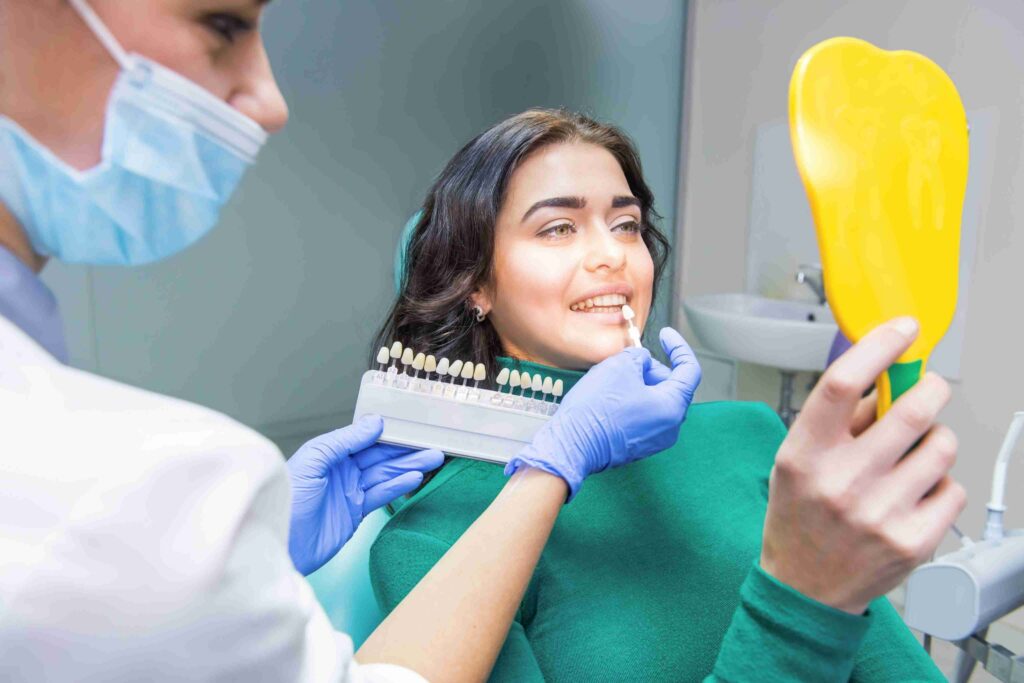
A pediatric dentist helps children build healthy dental habits through exams, cleanings, cavity checks, growth monitoring, brushing guidance, and prevention-focused care. Families in Roscoe Village, IL, Lakeview Chicago, IL, and North Center; IL may benefit from early visits that help children feel comfortable while parents understand tooth development, diet habits, fluoride, sealants, and home care needs. Recommendations should depend on the child’s age, comfort level, cavity risk, tooth development, and dental exams.
Children’s dental needs can change quickly. A young child in Roscoe Village, IL may be learning how to brush near the back teeth, while an older child may need help cleaning around new molars. A parent may also have questions about thumb habits, snacks, tooth eruption, or what to do when a baby tooth becomes loose.
A pediatric dentist can help children receive care that fits their age, attention span, and stage of development. The goal is not only to check for cavities. Early dental visits can help children get used to the dental setting, support daily habits, and give parents clear guidance before small concerns become harder to manage. Prevention should feel practical, calm, and based on what the child’s mouth actually needs.
Why Children Need Age-Based Dental Care
Children are not small adults when it comes to dental visits. Their teeth, gums, habits, and comfort levels change as they grow. A child who is just learning to brush needs different support than a preteen with crowded teeth or sports habits.
During a visit, a pediatric dentist may check tooth eruption, enamel health, gum tissue, bite development, and cavity risk. The dentist may also ask about brushing help at home, diet patterns, pacifier use, thumb sucking, and fluoride exposure.
This age-based approach helps parents understand what is normal and what may need closer attention. It also helps children build trust over time.
Prevention Begins at Home
Most children’s oral health habits happen outside the dental office. Brushing, flossing, water intake, snack timing, and parent supervision all play a role.
Strong preventive dental care includes practical home guidance, not only professional cleaning. Parents may learn how much toothpaste to use, when flossing becomes necessary, and how to help a child reach back teeth.
Young children often need help brushing because they do not yet have the hand skills to clean well on their own. Even older children may miss areas near molars or along the gumline.
Cleanings and Exams Support Prevention
Dental cleaning removes plaque and buildup from areas that are hard to clean at home. The exam allows the dentist to look for cavities, gum irritation, tooth eruption patterns, and bite changes.
Families may choose a preventive dental clinic because they want to care that focuses on avoiding problems when possible. Prevention may include cleanings, exams, fluoride discussions, sealant recommendations, and brushing instructions.
These services should be based on the child’s needs. Not every child has the same cavity risk, diet pattern, or brushing ability.
Sealants for Back Teeth
Permanent molars often have deep grooves that can trap food and plaque. Even children who brush well may have trouble cleaning these chewing surfaces.
A preventive dentist may recommend sealants for selected back teeth when grooves are deep and cavity risk is present. Sealants act as a thin protective coating over the chewing surface.
Sealants do not replace brushing or dental visits. They are one preventive tool that may help protect hard-to-clean areas.
Helping Children Feel Comfortable
A child’s comfort matters during dental care. Some children are curious and relaxed. Others are nervous, shy, sensitive to sounds, or unsure about new settings.
A second mention of pediatric dentist fits here because children often benefit from simple explanations and a pace that matches their comfort level. The dental team may show tools, describe each step, and give the child time to respond.
Positive early experiences can help children feel more willing to return. Dental visits should feel clear, not rushed or confused.
Food and Drink Habits Matter
Frequent snacking can increase cavity risk, especially when snacks are sticky, sugary, or eaten slowly over long periods. Juice, sports drinks, flavored milk, and sweet drinks can also affect enamel.
A parent in Roscoe Village, IL may not realize that sipping juice throughout the day can expose teeth to sugar repeatedly. Timing can matter as much as the food itself.
The dentist can help families make realistic changes. Small shifts, such as drinking water more often or limiting grazing, may support healthier teeth.
Thumb Sucking and Pacifier Habits
Thumb sucking and pacifier use are common in young children. The effect depends on age, frequency, intensity, and how long the habit continues.
A dentist may monitor tooth position and jaw development during regular visits. If the habit appears to be affecting the bite, parents can receive guidance on the next steps.
The conversation should be calm and supportive. Many habits improve over time, but some need gentle help.
Dental Care for School-Age Children
As children start school, they may become more independent with brushing. They may also eat more snacks away from home and join sports or activities.
A second use of preventive dental care belongs in this stage because school-age children need both professional support and daily routines that fit real life. The dentist may review brushing technique, flossing, molar cleaning, and mouthguard needs.
Parents can ask whether a child is ready to brush up alone. Many still need occasional checking, especially at night.
Sports and Mouth Protection
Children who play sports or active games may be at risk of tooth injuries. A mouthguard may be discussed for certain activities.
Dental injuries can involve chipped teeth, loosened teeth, lip cuts, or knocked-out teeth. Parents should know when to seek urgent dental care after trauma.
A mouthguard does not prevent every injury, but it may reduce risk in many sports. The dentist can explain what type may fit the child’s needs.
When a Child Has Tooth Pain
Children may not always describe dental pain clearly. They may avoid chewing on one side, complain during brushing, refuse certain foods, or say a tooth feels “weird.”
A second use of preventive dentist fits when early symptoms are discussed. A dentist focused on prevention can help check small concerns before they turn into urgent problems.
Parents should not wait if a child has swelling, fever, severe pain, trauma, or a broken tooth. These symptoms should be evaluated promptly.
Why a Preventive Setting Helps Families
A second mention of preventive dental clinic can apply when parents want a care pattern that supports long-term habits. Prevention works best when visits are consistent, and findings are explained clearly.
The dental team can compare past and current visits, watch tooth eruption, review cavity risk, and adjust home care guidance as the child grows.
This steady approach can help families feel less surprised by dental recommendations. It also helps children understand that dental care is part of normal health.
What Preventive Pediatric Visits May Help With
Preventive visits can support children and parents in practical ways.
They may help:
- Check tooth development
- Find early signs of cavities
- Support brushing and flossing habits
- Review fluoride needs
- Discuss sealants for back teeth
- Monitor gum health
- Watch thumb or pacifier habits
- Talk about mouthguards for sports
- Help children feel more comfortable with visits
- Each recommendation should depend on the child’s age, risk, symptoms, and exam findings.
What to Expect During a Child’s Visit
Before the visit, parents may share health history, medications, habits, brushing routines, diet patterns, and any concerns about pain or sensitivity. Younger children may need a parent nearby for comfort.
During the appointment, the dentist may check teeth, gums, bites, tooth eruptions, and oral tissues. Cleaning, fluoride, sealants, or X-rays may be discussed depending on the child’s age, risk, and exam findings.
After the visit, families from Lakeview Chicago, IL may receive home care tips, monitoring notes, or treatment recommendations. The explanation should help parents understand what is healthy, what needs support, and what should be watched.
Local Patient Review
“My child was nervous at first, but the visit felt calm and clear. The guidance on brushing back teeth at home made the routine easier.”
Early Care Can Shape Healthier Habits
Children’s dental care works best when prevention, comfort, and clear parent guidance come together. For families in Roscoe Village, IL, Lakeview Chicago, IL, and North Center, IL, Belmont Dental Care can help make each visit a practical step toward stronger home routines and healthier growing smiles.
Frequently Asked Questions
When should a child start dental visits?
Children should begin early so tooth development, habits, and cavity risk can be monitored. Parents can ask what timing fits their child.
How often should children have checkups?
Many children are seen about every six months, but timing may vary based on cavity risk, gum health, symptoms, and dental history.
Why do baby teeth matter if they fall out?
Baby teeth help with chewing, speech, spacing, and guiding adult teeth. Decay or infection in baby teeth should be checked.
Can children get cavities without pain?
Yes. Early cavities may not hurt. Regular exams help find changes before symptoms become obvious.
Are sealants needed for every child?
Not always. Sealants may be recommended for certain back teeth based on grooves, cleaning difficulty, and cavity risk.
How can parents help with brushing?
Young children usually need help. Parents can brush at night, check out missed areas, and use age-appropriate toothpaste amounts.
What if a child fears dental visits?
A calm introduction, simple explanations, and short positive visits may help. Parents can share concerns before the appointment.
When is tooth pain urgent for a child?
Swelling, fever, trauma, severe pain, or a broken tooth should be evaluated promptly by a dental professional.