
A healed dental implant restoration needs daily cleaning around the crown, protection from habits that strain it, and regular dental visits. The implant itself cannot decay, but the gum and bone around it can still become inflamed without good care. Steady dental implant restoration care keeps the crown stable and the surrounding tissue healthy. This guide explains why a healed implant still needs attention, how to clean around the crown, the habits that can damage it, why checkups matter, and the signs of a problem.
A Healed Implant Still Needs Daily Care Around the Crown
A dental implant restoration has two parts: the implant, which sits in the jawbone, and the crown, which replaces the visible tooth. The implant cannot decay, but plaque that builds up along the gumline can inflame the gum and the bone supporting the implant. That is why dental implant restoration care centres on keeping this area clean.
Daily Cleaning Around an Implant Crown
Cleaning an implant crown is much like caring for natural teeth, with a few adjustments:
- Brush twice a day with a soft toothbrush, angled gently along the gumline.
- Clean between teeth every day with floss, an interdental brush, or a water flosser.
- Wrap floss in a C-shape around the crown and slide it just under the gumline.
- Use a low-abrasive toothpaste, because gritty pastes can scratch the crown.
- Avoid metal picks, which can also scratch the crown surface.
Habits That Can Damage an Implant Crown
Daily cleaning protects the gum, but some habits strain the crown and the bone beneath it. Three are worth changing.
Grinding or Clenching Teeth
Grinding or clenching puts extra force on the crown and the implant beneath it, especially during sleep. Over time, this can wear or chip the crown. Mention any jaw soreness or morning headaches to your dentist, so they can suggest ways to protect your teeth.
Smoking and Tobacco Use
Smoking and tobacco can slow healing and make gum inflammation around an implant more likely. Cutting back or quitting lowers that risk and helps the gum stay healthy around the crown. Your dentist can point you toward support if you want to quit.
Biting Hard Objects
Pen caps, fingernails, and packaging are not made for teeth. Biting them can chip a crown or strain it where it joins the implant. Use scissors or other tools instead, so the crown only handles chewing.
Dental Visits Can Help You Protect the Gum and Bone Around the Implant
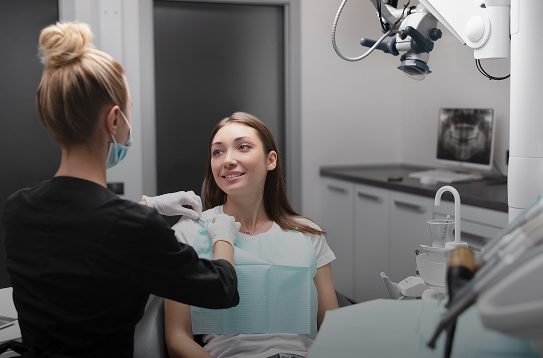
Home care cannot reach everything, so professional visits remain part of dental implant restoration care. A cleaning removes buildup around the crown that brushing and flossing miss. X-rays let the team check the bone supporting the implant, and they inspect the crown for wear or looseness. Seeing changes early gives you more options for treating them.
Signs That an Implant Needs Prompt Attention
Problems around an implant often start quietly. Tell your dentist as soon as you notice any of these:
- Gums around the crown that look red or swollen, or bleed even with gentle cleaning.
- A bad taste or discharge near the implant.
- A crown that feels loose or moves when you chew.
- Pain or pressure that returns after a period of comfort.
- A change in how your teeth fit together when you bite.
Early gum inflammation around an implant is often easier to treat than bone loss, so do not wait for a problem to settle on its own.
Get Your Dental Implant Restoration Checked at Belmont Dental Care in Chicago
A crown that feels different, gums that bleed around an implant, or a long gap since your last cleaning are all good reasons to book a visit. At Belmont Dental Care in Chicago, Dr. Nguyen, Dr. Parrott, and the team provide dental implant restorations along with hygiene and cleaning visits. Book an appointment to have your implant restoration and the gum around it checked.
Frequently Asked Questions
What type of toothbrush is best for dental implants?
A soft-bristled toothbrush, manual or electric. Hard bristles can irritate the gum and scratch the crown, so pair it with a low-abrasive toothpaste. We can show you the right brushing angle.
Are there foods that can damage an implant restoration?
Ice, hard candy, and very hard or sticky foods can chip a crown. Most everyday foods are fine once the implant has healed. Ask our team if you are unsure about a particular food.
How often should dental implants be professionally cleaned?
About every six months for most people, though your gum health and habits may call for more frequent visits. Our team will set your schedule at your next hygiene visit.
What can you do if food keeps getting trapped around an implant crown?
Clean the area with an interdental brush or water flosser. Food that keeps packing in may point to a small gap around the crown, so we can check how it fits.
How long can an implant crown last?
Many years, depending on your bite, habits, and cleaning. The crown can wear or chip and may need replacing even when the implant is stable. Regular checkups help us catch wear early.