
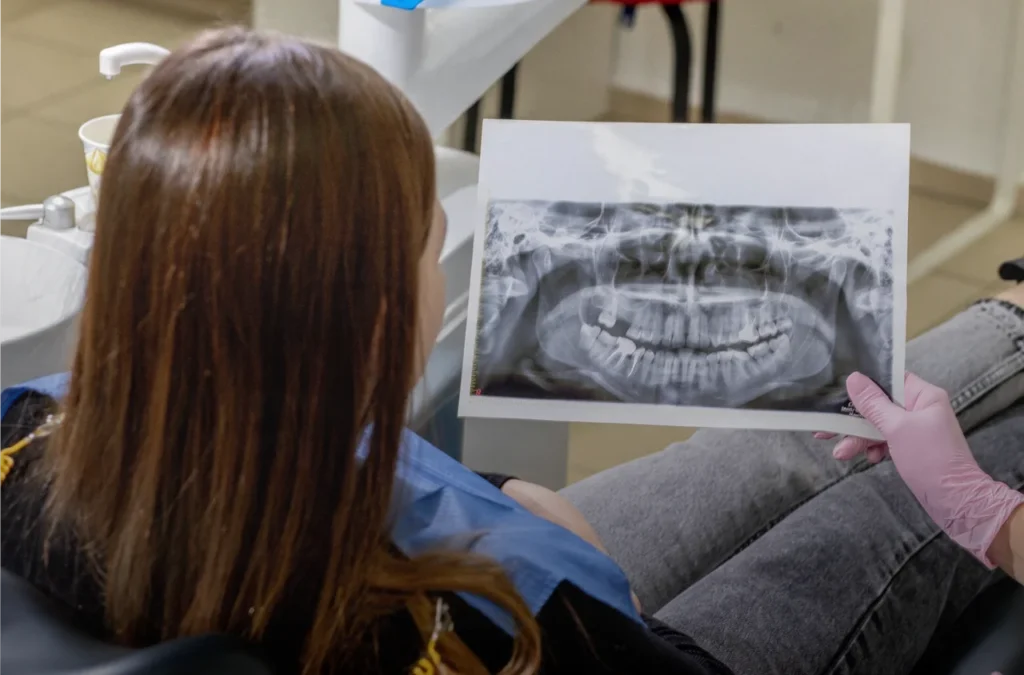
A mouth that feels fine makes it easy to assume that everything is fine. No pain, no sensitivity and nothing unusual in the mirror can make a checkup feel like a formality. So it can be a surprise when an X-ray picks up something you had not noticed. Understanding what that finding means helps you respond calmly and make a plan. This blog covers what an early finding gives you, which hidden issues it brings into view, why regular visits matter, how early findings shape treatment and what follows.
An Early X-Ray Finding Gives You Time to Plan Before Discomfort Starts
Many dental changes begin quietly beneath the surface, where a visual check cannot reach. A dental X-ray can reveal them while they are still small, long before they cause discomfort.
Hearing that something was found does not mean something has gone badly wrong. It means the issue was caught while there is time to plan how to handle it.
Which Hidden Dental Problems Imaging Can Bring Into View
Imaging is designed to show what the eye cannot. Several kinds of hidden changes can appear.
- Spot cavities that form between teeth or beneath the surface.
- Notice bone loss around the teeth.
- Identify impacted teeth that have not come in as expected.
Why Regular Visits Help Your Dentist Track Changes Over Time
A single X-ray is a snapshot, while regular visits build a story. Over time, your dentist can monitor changes in your teeth and gums and notice what is new or different.
That ongoing view makes it easier to tell a small, stable finding from one that needs attention. It also means any concern can be handled with a clearer understanding of your history.
How Catching a Problem Early Changes Your Treatment Options
Finding a change early can shape what comes next. Here are three ways an early catch can help.
Simpler Treatment
A small change typically calls for less involved care than one that has had time to grow.
More Options to Consider
With time on your side, you and your dentist can talk through different approaches before choosing one.
Less Disruption to Your Routine
Early care usually takes less time out of your schedule than treating a problem that has become painful.
The Path From an Unexpected Finding to a Treatment Plan Unfolds in Stages
The path begins with your dentist showing you what the image found and talking through what it means. From there, you decide together whether the finding should be treated or watched.
When treatment is recommended, a plan outlines the steps and what to expect. When a finding is small, regular visits allow it to be tracked over time.
Get Hidden Problems Found Early at Belmont Dental Care in Chicago, IL
Belmont Dental Care in Chicago, IL offers family dentistry, with exams and digital X-rays to look beneath the surface. Book a visit to see what a dental X-ray can tell you about your own smile.
Frequently Asked Questions
Can a cavity show on an X-ray even if the tooth does not hurt?
Yes, decay can begin without any pain and still appear on an X-ray. Belmont Dental Care can explain what your images show.
Does every dental visit include X-rays?
Not necessarily. A first visit usually includes an exam and cleaning, and X-rays may be taken when they are needed.
What happens if a dentist finds an abnormality?
Your dentist will explain the finding and discuss whether it needs treatment or monitoring. Belmont Dental Care can walk you through your options.
How often should I see a dentist if my teeth feel fine?
Most patients benefit from visiting twice a year for cleanings and exams, and some need visits more often. Your dentist can suggest a schedule that suits you.
Can imaging show bone loss from gum disease?
They can reveal changes in the bone that supports your teeth. Belmont Dental Care helps patients with gum disease and can explain next steps.